Mini-Project
Mini-Project
Product Card Case Study
Product Card Case Study
Skills
UX/UI Design, User Research, Interaction Design
Role
Skills
Role
UX/UI Designer, Branding
UX/UI Design, User Research, Interaction Design
UX Researcher & Designer
Role
UX/UI Designer, Branding
Duration
3 weeks
Tools
Figma, Adobe Ai & Ps
Tools
Figma, Miro
The Problem
E-commerce product cards often fail to reflect the varied intentions of users. Whether they're casually browsing, searching with a goal, or ready to purchase, a one-size-fits-all approach creates friction and reduces conversion.
The Solution
A responsive product card system tailored to user engagement levels, with layouts and interactions designed to match intent and enhance the shopping experience.
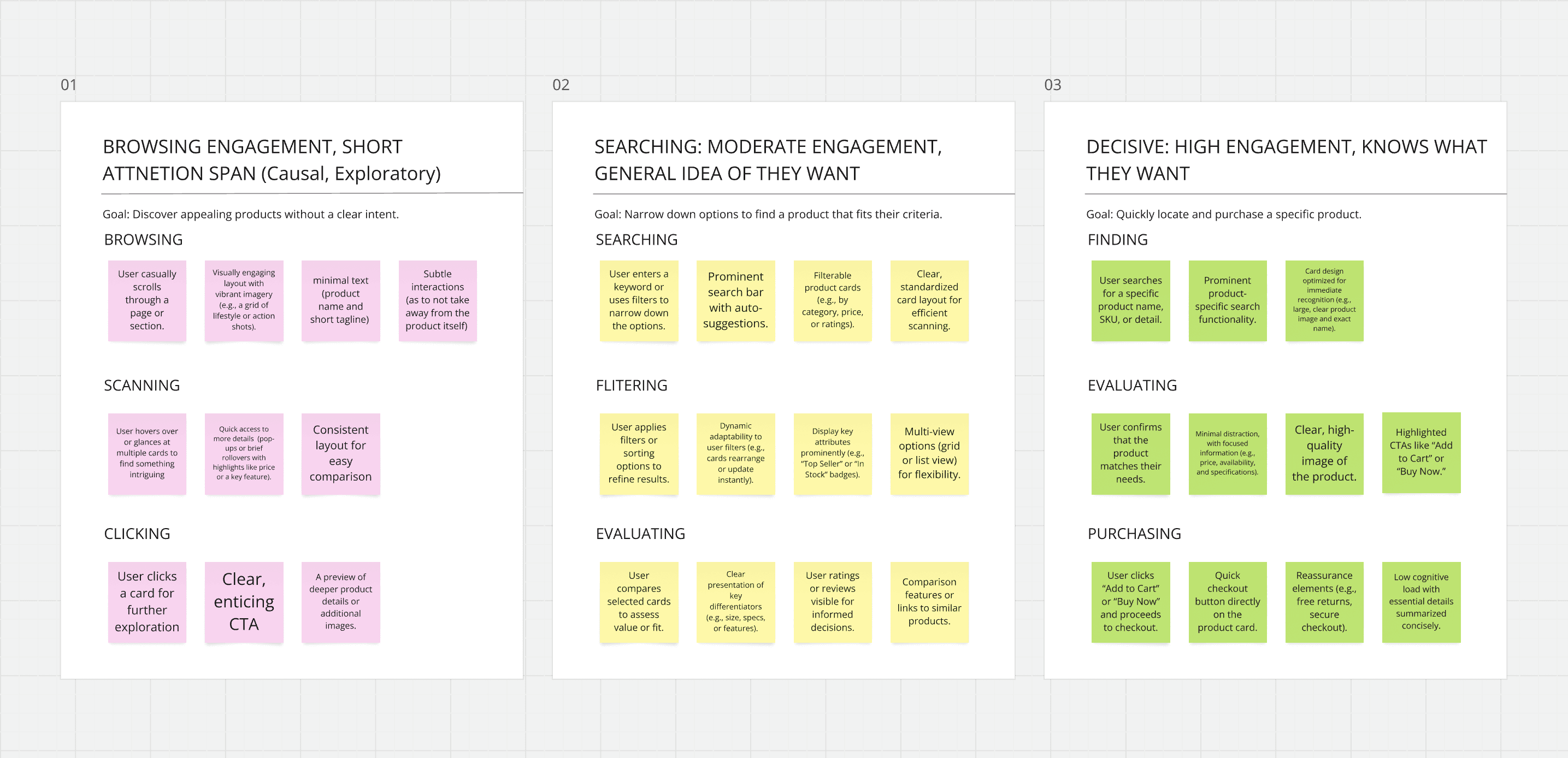
User Engagement Patterns in E-Commerce Journeys
Research Takeaways
Engagement Dictates Information Density
Users with lower intent (browsing) respond best to visually-driven cards with minimal text, while high-intent users (decisive) require detailed specs, reassurance, and prominent CTAs.
Interaction Complexity Should Scale with Intent
As users move from browsing to purchasing, interaction depth should increase with features like subtle hovers, filters, comparison tools, and checkout actions.
clear layouts help everyone
For mid-level engagement, consistent layouts and visible differentiators (like ratings or key features) aid in decision-making, while high engagement benefits from reduced friction and clear next steps.
A Flexible System
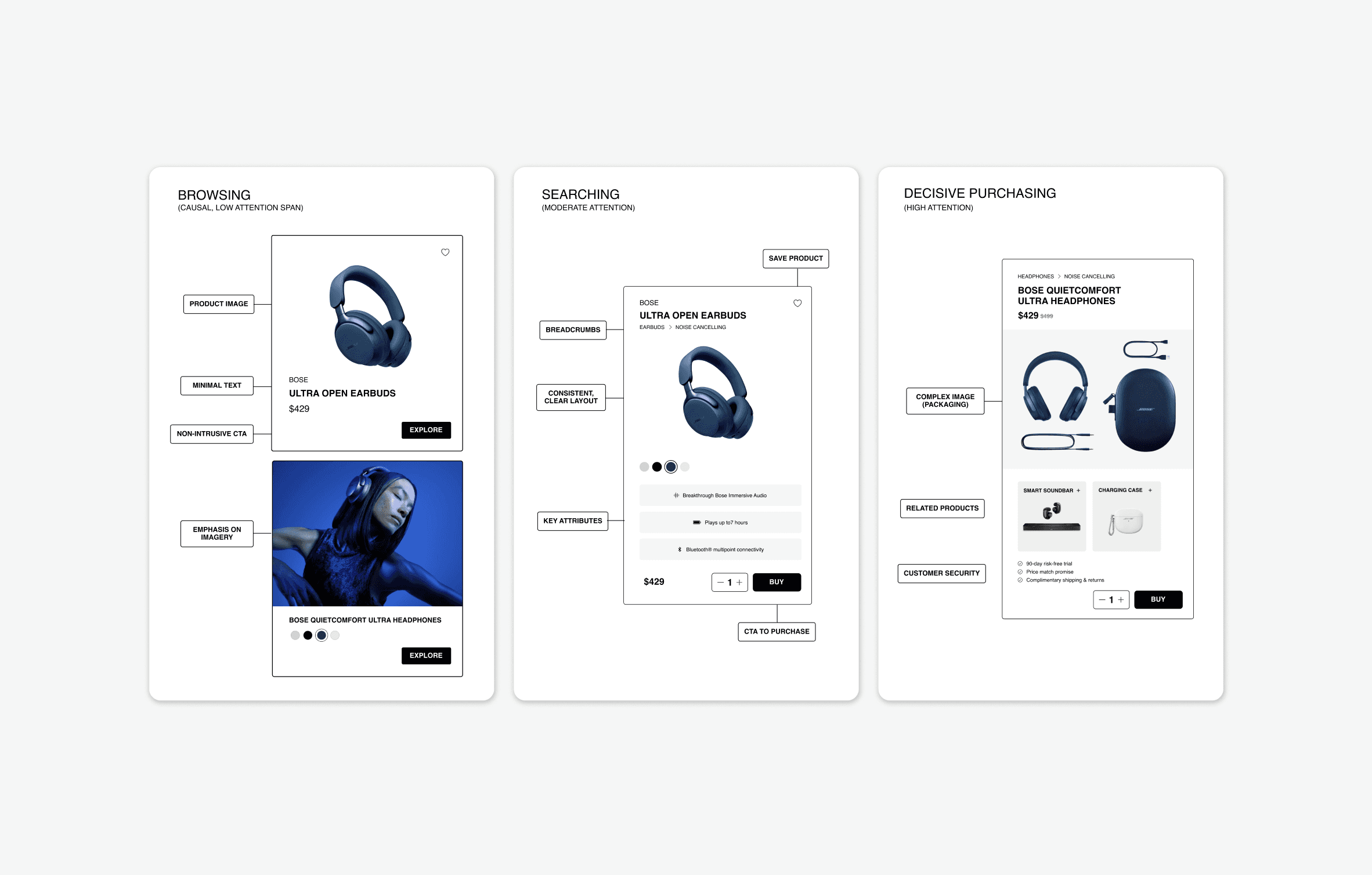
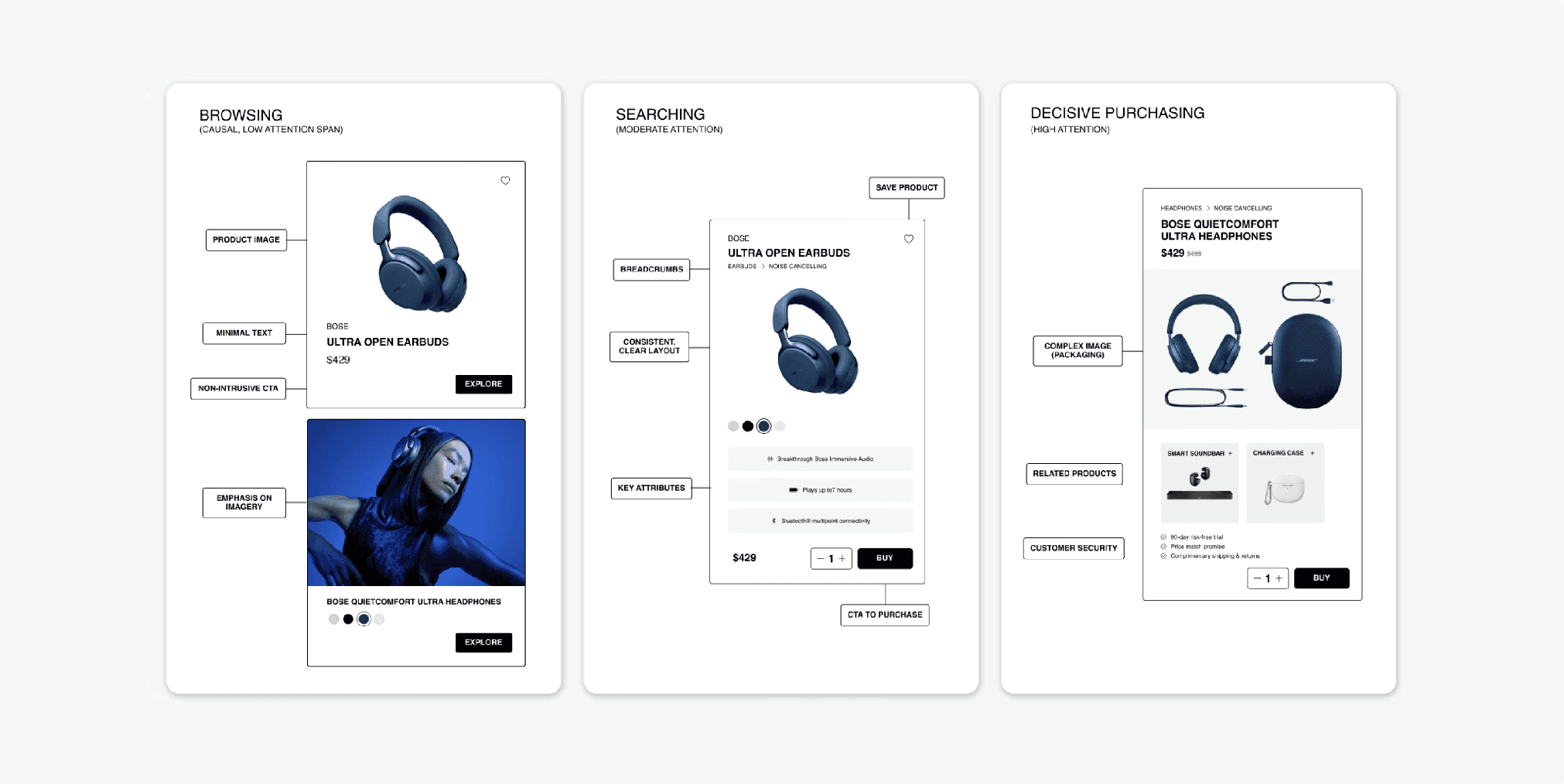
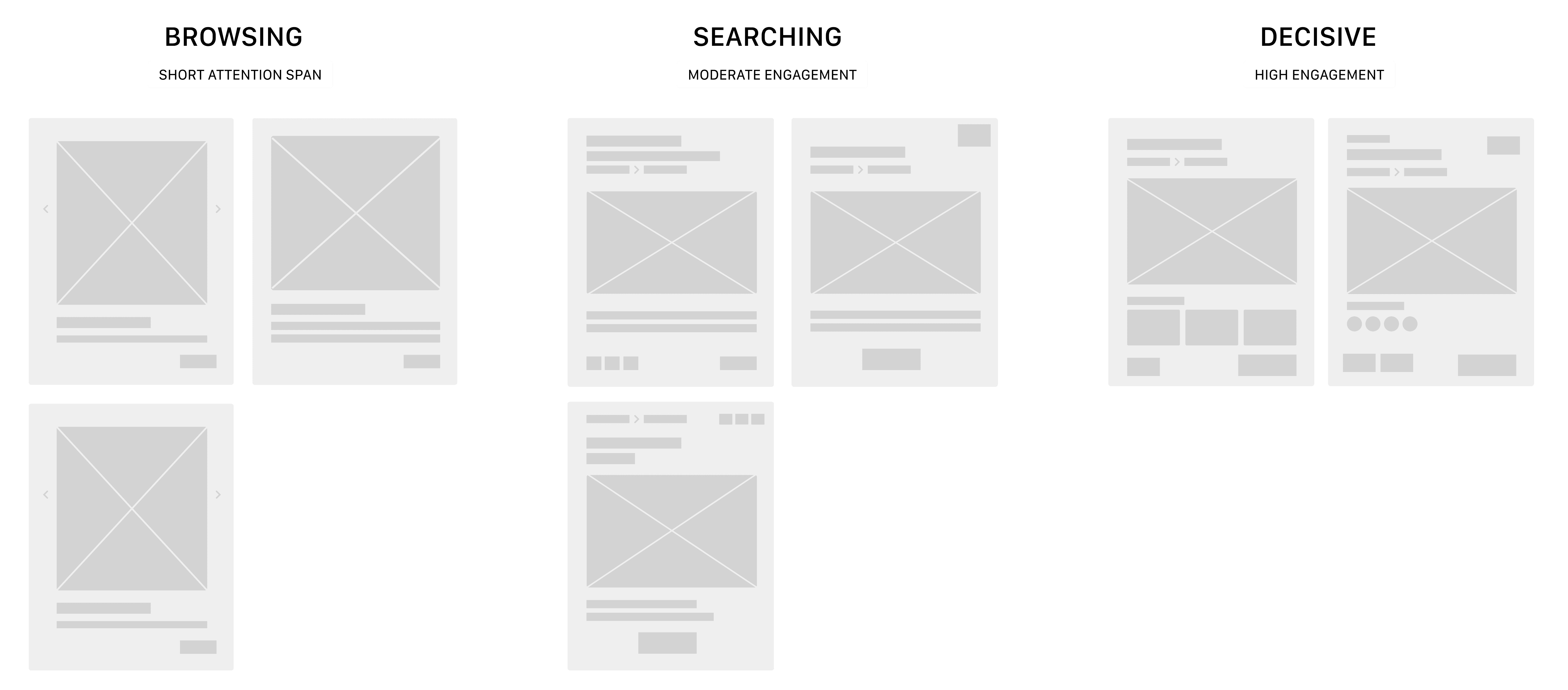
A high-fidelity overview of the product card system, showing how design adapts across engagement levels with tailored layouts, content, and CTAs to match user intent.
High-Fidelity
Lo-fidelity
Designing for Attention
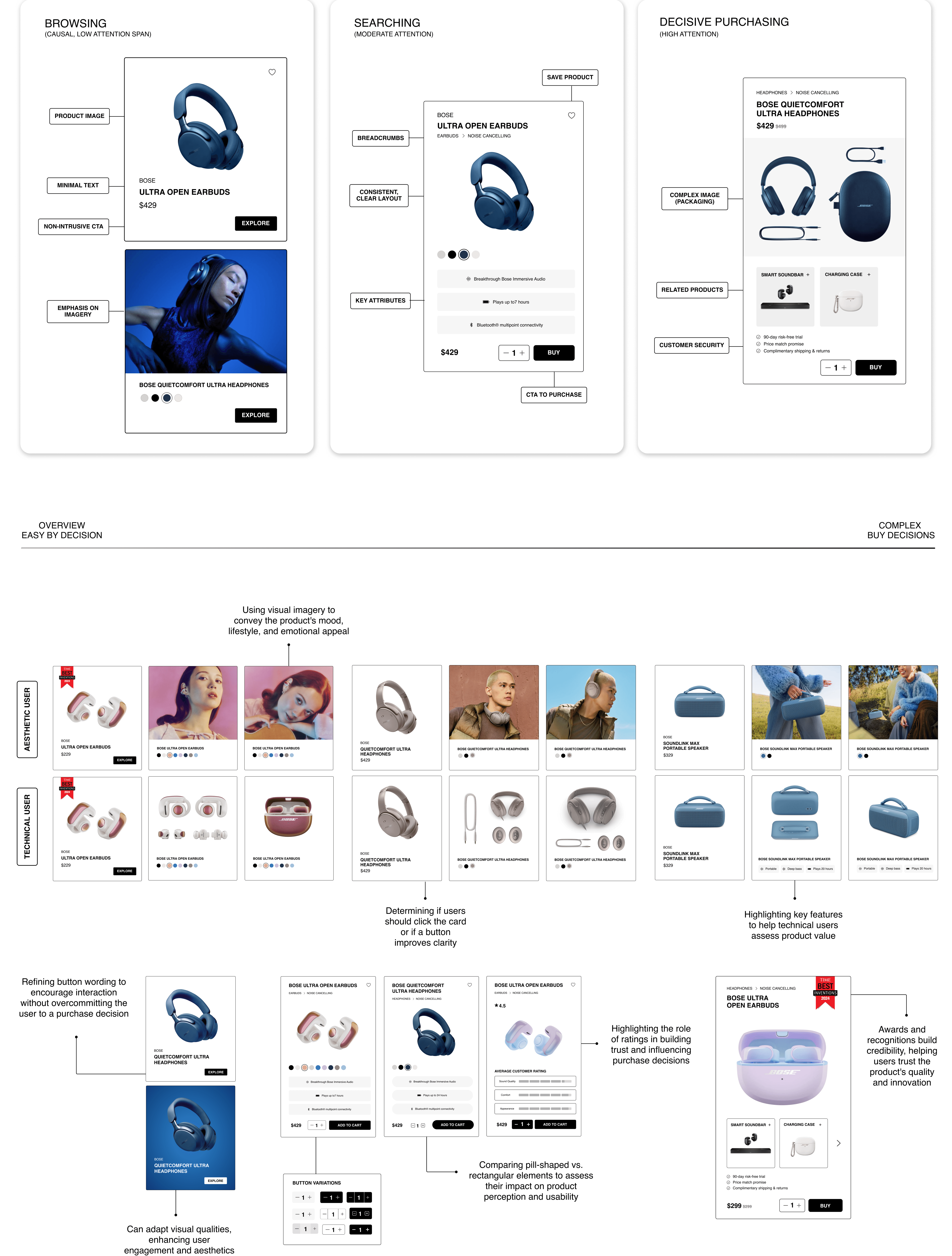
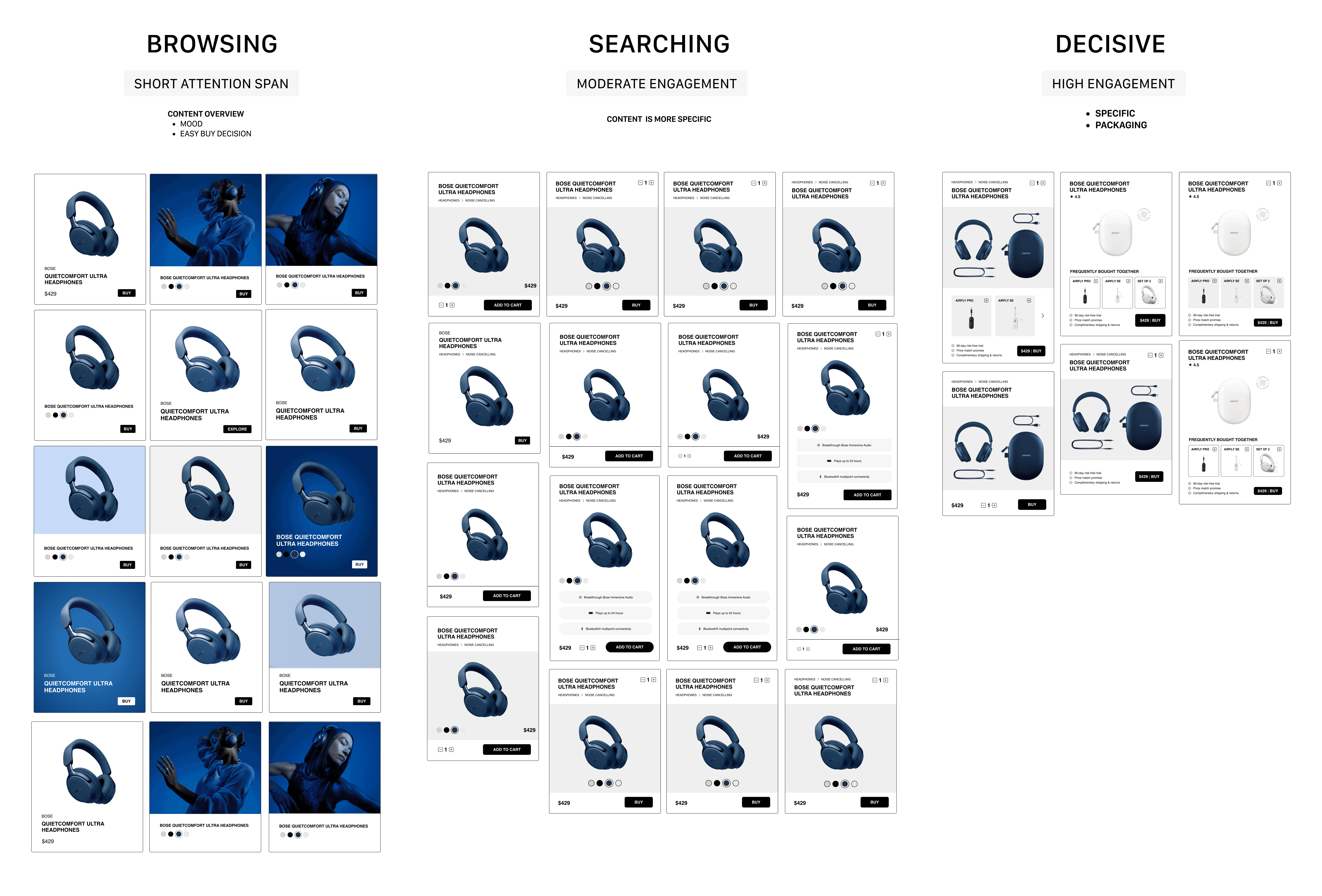
Initial layout exploration of product card structures based on user attention levels, focusing on hierarchy, image placement, and content density.
Mid-fidelity
Adapting to User Intent
Visual prototypes showing how content, interactions, and packaging evolve across user engagement as users move from quick-glance discovery to detailed purchasing decisions.
Reflections
Tiny Encounters, Lasting Impact
This project deepened my understanding of how user intent shapes interface design. By exploring product cards through the lens of engagement levels, I learned the importance of adapting layout, content, and interaction to meet users where they are. Balancing visual appeal with functionality taught me to design not just for beauty but for behavior and how thoughtful variation can guide users from curiosity to conversion.
The Problem
E-commerce product cards often fail to reflect the varied intentions of users. Whether they're casually browsing, searching with a goal, or ready to purchase, a one-size-fits-all approach creates friction and reduces conversion.
The Solution
A responsive product card system tailored to user engagement levels, with layouts and interactions designed to match intent and enhance the shopping experience.
Research Takeaways
User Engagement Patterns in E-Commerce Journeys
Engagement Dictates Information Density
Users with lower intent (browsing) respond best to visually-driven cards with minimal text, while high-intent users (decisive) require detailed specs, reassurance, and prominent CTAs.
Interaction Complexity Should Scale with Intent
As users move from browsing to purchasing, interaction depth should increase with features like subtle hovers, filters, comparison tools, and checkout actions.
clear layouts help everyone
For mid-level engagement, consistent layouts and visible differentiators (like ratings or key features) aid in decision-making, while high engagement benefits from reduced friction and clear next steps.
Information Architecture
Designing for Attention
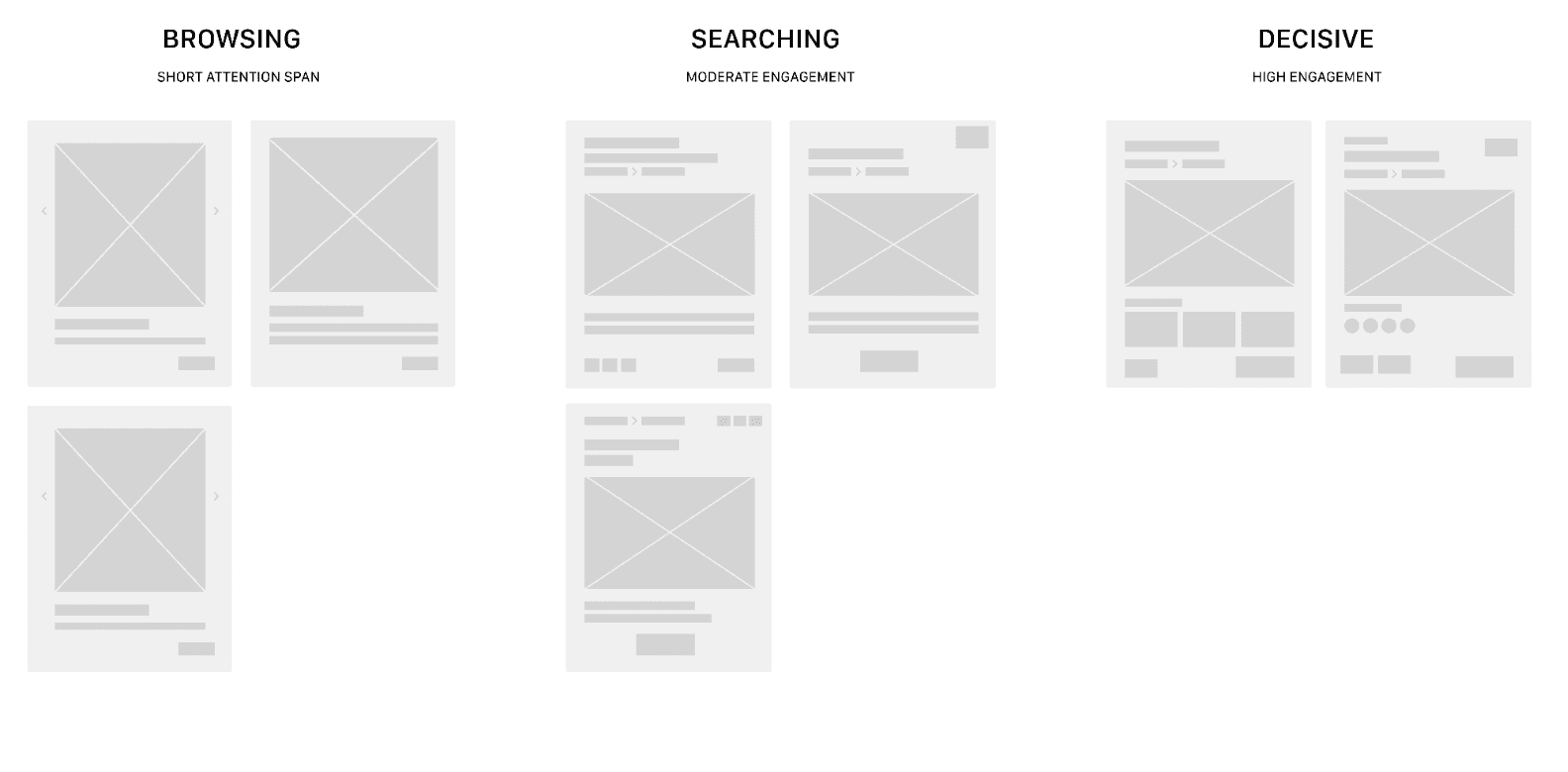
Initial layout exploration of product card structures based on user attention levels, focusing on hierarchy, image placement, and content density.
Mid-fidelity
Adapting to User Intent
Visual prototypes showing how content, interactions, and packaging evolve across user engagement as users move from quick-glance discovery to detailed purchasing decisions.
Research Takeaways
User Engagement Patterns in E-Commerce Journeys
Engagement Dictates Information Density
Users with lower intent (browsing) respond best to visually-driven cards with minimal text, while high-intent users (decisive) require detailed specs, reassurance, and prominent CTAs.
Interaction Complexity Should Scale with Intent
As users move from browsing to purchasing, interaction depth should increase with features like subtle hovers, filters, comparison tools, and checkout actions.
clear layouts help everyone
For mid-level engagement, consistent layouts and visible differentiators (like ratings or key features) aid in decision-making, while high engagement benefits from reduced friction and clear next steps.
Information Architecture
Designing for Attention
Initial layout exploration of product card structures based on user attention levels, focusing on hierarchy, image placement, and content density.
Mid-fidelity
Adapting to User Intent
Visual prototypes showing how content, interactions, and packaging evolve across user engagement as users move from quick-glance discovery to detailed purchasing decisions.
Information Architecture
Designing for Attention
Initial layout exploration of product card structures based on user attention levels, focusing on hierarchy, image placement, and content density.
Mid-fidelity
Adapting to User Intent
Visual prototypes showing how content, interactions, and packaging evolve across user engagement as users move from quick-glance discovery to detailed purchasing decisions.
High-Fidelity
A Flexible System
A high-fidelity overview of the product card system, showing how design adapts across engagement levels with tailored layouts, content, and CTAs to match user intent.
Empowering Growth Through Data
Tiny Encounters, Lasting Impact
Reflections
Research Takeaways
Data, AI, and Identity
Engagement Dictates Information Density
Users with lower intent (browsing) respond best to visually-driven cards with minimal text, while high-intent users (decisive) require detailed specs, reassurance, and prominent CTAs.
Interaction Complexity Should Scale with Intent
As users move from browsing to purchasing, interaction depth should increase with features like subtle hovers, filters, comparison tools, and checkout actions.
clear layouts help everyone
For mid-level engagement, consistent layouts and visible differentiators (like ratings or key features) aid in decision-making, while high engagement benefits from reduced friction and clear next steps.
High-Fidelity
A Flexible System
A high-fidelity overview of the product card system, showing how design adapts across engagement levels with tailored layouts, content, and CTAs to match user intent.
Tiny Encounters, Lasting Impact
This project deepened my understanding of how user intent shapes interface design. By exploring product cards through the lens of engagement levels, I learned the importance of adapting layout, content, and interaction to meet users where they are. Balancing visual appeal with functionality taught me to design not just for beauty but for behavior and how thoughtful variation can guide users from curiosity to conversion.
Reflections
High-Fidelity
A Flexible System
A high-fidelity overview of the product card system, showing how design adapts across engagement levels with tailored layouts, content, and CTAs to match user intent.
Reflections
Tiny Encounters, Lasting Impact
This project deepened my understanding of how user intent shapes interface design. By exploring product cards through the lens of engagement levels, I learned the importance of adapting layout, content, and interaction to meet users where they are. Balancing visual appeal with functionality taught me to design not just for beauty but for behavior and how thoughtful variation can guide users from curiosity to conversion.
Continue Exploring
Guerlain
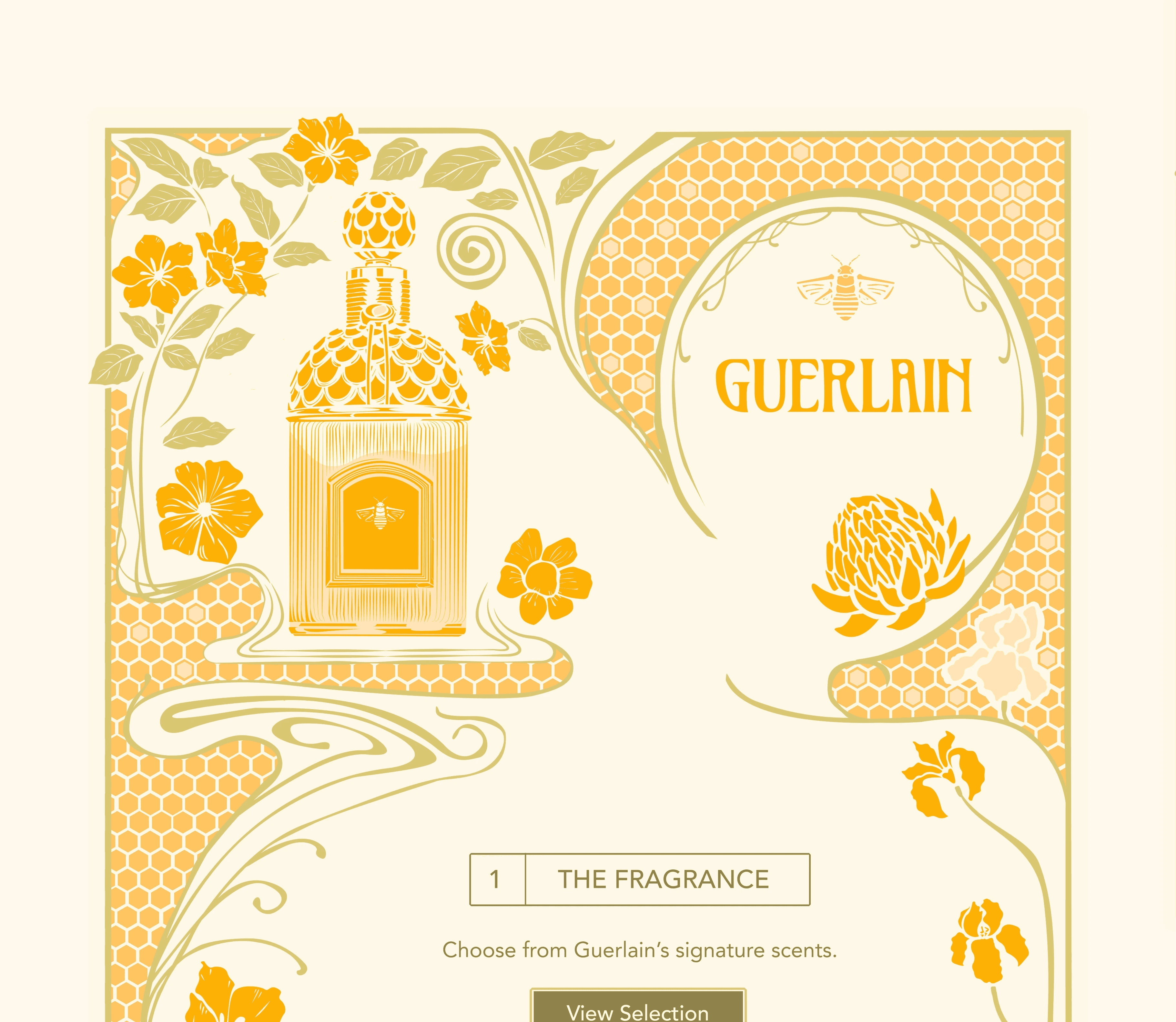
A collaborative game UI design project that explore immersive, interactive storytelling.
View Project
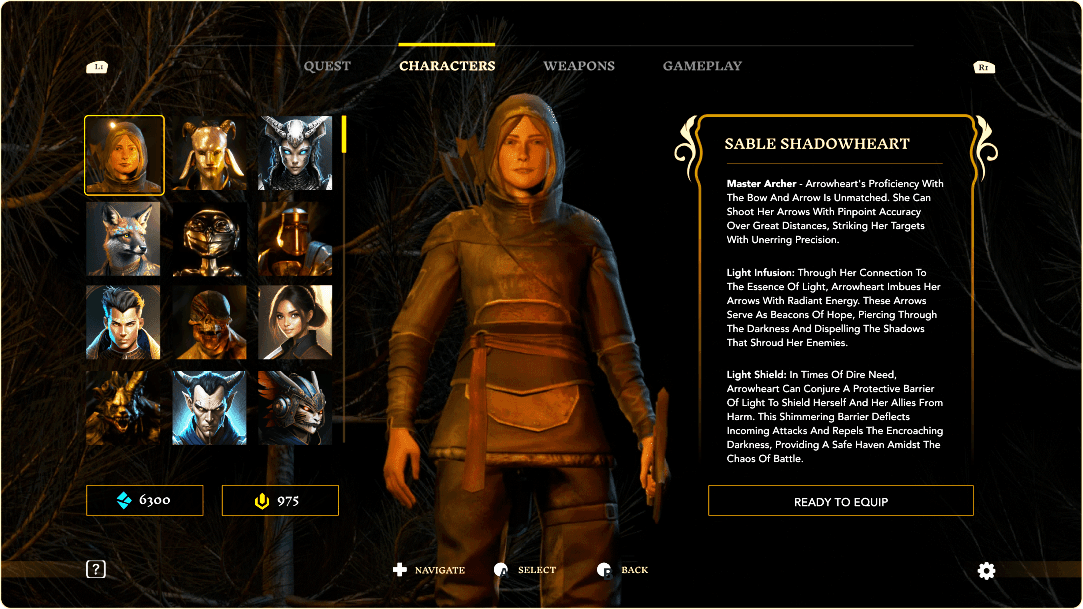
Shadow Insignia
A collaborative game UI design project that explore immersive, interactive storytelling.
View Project
Continue Exploring
Guerlain
A collaborative game UI design project that explore immersive, interactive storytelling.
View Project
Shadow Insignia
A collaborative game UI design project that explore immersive, interactive storytelling.
View Project

Ryan.markley@live.com
Romarkle@ncsu.edu
(919) 818- 4747
Ryan.markley@live.com
Romarkle@ncsu.edu
(919) 818- 4747
Ryan.markley@live.com
Romarkle@ncsu.edu
(919) 818- 4747